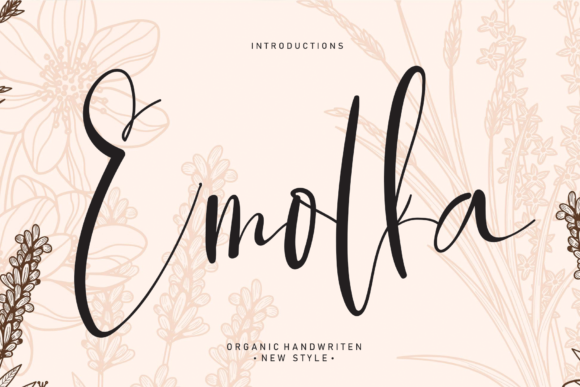
Emolka: A Script Font for Real-World Design
As a designer with years of experience in branding, editorial design, and digital product creation, I’ve seen countless fonts come and go. Emolka, a script font, stands out for its balance of elegance and versatility. It’s not just another pretty script—it’s a tool that can elevate a wide range of projects, from logos to social media graphics.
The First Impression: Elegance Meets Approachability
When I first laid eyes on Emolka, I was struck by its soft, flowing curves and the way it seemed to dance between formal and casual. The letterforms have a natural, hand-drawn feel, but they’re refined enough to feel professional. It doesn’t scream “script font” like some others—instead, it whispers, inviting you to take a closer look.
This font has a warm, human touch that makes it feel approachable. It’s perfect for brands that want to convey authenticity without sacrificing sophistication. Whether it’s used in a logo or as a headline, Emolka adds a sense of personality that many other fonts lack.
Real-World Performance: From Logo Design to Digital Ads
I’ve tested Emolka in a variety of real-world scenarios, and it consistently delivers. In logo design, it works well when paired with a clean sans serif or serif font, creating a balanced contrast that draws attention without overwhelming the viewer. For brand identity, it adds a unique flair that can help a business stand out in a crowded market.
In packaging design, Emolka shines when used for product labels or taglines. Its fluidity complements both modern and traditional aesthetics, making it a flexible choice for different industries. On posters and flyers, it brings a sense of movement and energy, ideal for promotional materials that need to grab attention.
For web design, Emolka is best used sparingly—perhaps in headers or call-to-action buttons. It’s not the best choice for body text, but as a display font, it can add visual interest to website elements. In social media graphics, it works well for captions, banners, and branded content, helping to create a cohesive visual language across platforms.
Where to Use It Carefully: Know the Limitations
While Emolka is a strong script font, it’s not suitable for every use case. Large headlines, for example, can become too ornate and hard to read if not properly spaced. Short phrases may lose their impact if the font is overused, so it’s important to find the right balance.
For brand marks or decorative accents, Emolka can be effective, but only when used intentionally. It may not be the best choice for premium packaging where a more minimalist or structured typeface might be preferred. Similarly, in social posts, it can work well for headlines but may not translate well in all contexts, especially when paired with other complex elements.
Readability and Brand Impact: More Than Just Looks
One of the most important aspects of any font is how it affects readability. Emolka is readable at medium to large sizes, but it’s not ideal for small text or long paragraphs. This means it should be used strategically, often as a highlight rather than a primary text font.
From a brand consistency standpoint, Emolka can help reinforce a brand’s visual identity. Its unique character makes it memorable, which can increase recognition and trust among audiences. When used correctly, it contributes to a cohesive and professional look that aligns with a brand’s overall aesthetic.
In terms of engagement, Emolka adds a level of visual interest that can make designs more compelling. It’s particularly effective in digital products, printable design, and creative font pairings, where its expressive nature can enhance the overall mood of a project.
Practical Designer Notes: Test, Compare, and Confirm
Before finalizing any font for a project, I always recommend testing it in black and white. Emolka holds up well in monochrome, showing off its structural strengths without relying on color. It also helps identify any potential issues with legibility or spacing.
Check small-size readability carefully. While Emolka looks great in larger formats, it can become less clear when reduced in size. This is especially important for print materials like business cards or product tags, where clarity is key.
Try it on real mockups. Nothing beats seeing how a font performs in context. Whether it’s a website header, a social media post, or a packaging label, real-world testing reveals how well it integrates into the overall design.
Compare uppercase and lowercase. Emolka has a distinct style in both forms, but the lowercase letters are more fluid and expressive. Understanding this difference can help in choosing the right application for each part of a design.
Review spacing. Script fonts often require careful kerning and tracking. Emolka is well-designed, but adjusting spacing can make a big difference in how it looks in different applications.
Test it beside other font styles. Pair it with a serif font for a classic look, or with a sans serif for a modern twist. It also works well with handwritten fonts or display fonts, depending on the desired effect.
Confirm commercial licensing before using it in client or business projects. Emolka is a premium font, and ensuring proper licensing is essential for avoiding legal issues down the line.
Final Thoughts: A Versatile Script for Thoughtful Design
Emolka is more than just a pretty script font—it’s a practical choice for designers who value both aesthetics and functionality. It brings a sense of warmth and personality to any project, while still maintaining a level of professionalism that makes it suitable for a wide range of applications.
Whether you’re working on a logo, a packaging design, or a digital ad, Emolka offers a unique voice that can help your work stand out. Just remember to use it wisely, test it thoroughly, and pair it with other fonts that complement its style.
For designers looking for a creative font that can add character without overwhelming the design, Emolka is definitely worth considering. It’s a script font that knows when to shine and when to step back, making it a valuable addition to any design toolkit.