Alleman Font: Elegant Script for Craft Projects
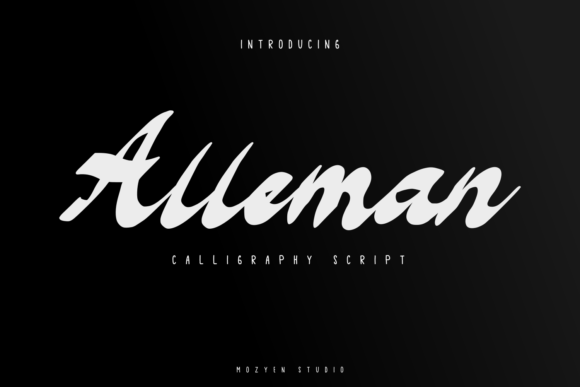
As a small business owner and crafter, I know how important it is to have a font that looks beautiful but still works well in real-world applications. Alleman is a script font that brings both charm and practicality to the table, making it a go-to choice for handmade labels, printable products, and creative designs.
What Makes Alleman Unique?
Alleman has a lovely style that blends elegance with a touch of modern flair. Its flowing lines and soft curves give it a distinct personality that stands out without being overwhelming. Whether you're creating invitations or product packaging, this font adds a sense of sophistication that elevates your work.
Its visual appeal isn't just about looks—it's also about versatility. Alleman is designed to be readable even at smaller sizes, which makes it ideal for use on stickers, labels, and other small-format projects. The font’s structure ensures that each letter is clear and easy to distinguish, even when used in tight spaces.
Practical Uses for Alleman
From candle labels to wedding signs, Alleman can be used across a wide range of craft projects. For example, when designing farmhouse-style signs, the font adds a warm, handwritten feel that complements rustic decor. It also works well for birthday invitations, where its elegant style gives the design a personal touch.
For printable wall art, Alleman brings a sense of class and creativity. When paired with simple background elements, it becomes the focal point of the design, drawing attention without competing with other visual components. This makes it a great choice for digital printables, planner pages, and seasonal decorations.
When it comes to product tags and packaging, Alleman helps create a cohesive brand identity. Using the same font across different product lines ensures consistency, which is key for building customer recognition. It also enhances the perceived quality of your items, making them look more polished and professional.
Best Practices for Using Alleman
While Alleman is highly readable, it’s best suited for short phrases and titles rather than long blocks of text. This makes it ideal for use on greeting cards, signage, and decorative wording. For instance, using it for a wedding welcome board or a holiday gift tag adds a personal and stylish touch.
When using Alleman with cutting machines like Cricut or Silhouette, it’s important to ensure that the font is properly formatted. Avoid overly intricate details that might cause issues during the cutting process. Testing the font on a mockup preview before final production can help identify any potential problems.
For printed cards or labels, consider adjusting the spacing and size to maintain clarity. If you're using it on a mug or shirt, make sure the font is large enough to remain legible once printed. Small text can become blurry or hard to read, especially on curved surfaces.
Pairing Alleman with Other Fonts
One of the strengths of Alleman is how well it pairs with other fonts. For a balanced look, try pairing it with a clean sans serif font like Helvetica or Arial. This contrast creates visual interest while keeping the design easy to read.
If you're working on a more traditional project, pairing Alleman with a serif font like Georgia or Times New Roman can add depth and character. This combination is great for wedding stationery or formal invitations, where a classic aesthetic is desired.
For a more modern approach, consider using Alleman alongside a bold display font. This works well for logos, social media graphics, and web design, where the font needs to stand out while still maintaining readability.
Font Features and Licensing
Alleman includes multiple styles, alternates, and ligatures, giving you flexibility when customizing your designs. These features allow for greater creative control, whether you're working on a simple label or a complex layout.
The font supports various file formats, making it compatible with most design software. It also offers multilingual support, which is useful if you're creating content for an international audience. Checking the included styles and options before use ensures that you get the most out of the font.
When using Alleman for commercial purposes, make sure to review the licensing terms. Most fonts allow for use in physical products, templates, and digital downloads, but it's always good to confirm the specific rights associated with the font. This helps avoid any legal issues down the line.
Enhancing Your Brand with Alleman
Using Alleman consistently across your products helps build a strong brand identity. Whether you're selling handmade candles, custom signs, or printable templates, the font contributes to a cohesive look that customers will recognize and remember.
Its emotional appeal is another benefit. Fonts can influence how people perceive a brand, and Alleman's elegant style often evokes feelings of warmth, sophistication, and creativity. This can make your products more appealing to your target audience.
Ultimately, Alleman is more than just a pretty font—it's a valuable tool for crafters and small business owners looking to enhance their designs. With its blend of beauty and functionality, it's a font that can truly elevate your work.